
In today’s data-driven business environment, timely and accurate reporting is no longer a luxury; it is a necessity.
According to the European Spreadsheet Risks Interest Group, over 80% of spreadsheets contain errors, which can significantly impact decision-making.
As a Business Analyst, Finance Director, Sales Manager, and Chief Operations Officer, your role depends on reliable insights to guide strategy and performance.
However, many organizations still rely on fragmented spreadsheets and manual processes that slow reporting cycles, reduce accuracy, and limit visibility.
This is where automated reporting becomes critical. By streamlining how data is collected, processed, and shared, you can eliminate inefficiencies, reduce errors, and gain real-time insights that empower faster, smarter decisions.
What Is Automated Reporting?
Automated reporting helps you streamline how data is collected, processed, and shared without manual effort. With the right setup, data is automatically pulled from systems such as CRMs, ERPs, and marketing platforms.
The date is then cleaned and transformed using predefined rules, after which reports and dashboards are automatically updated in real time or on a set schedule.
Insights are also shared automatically through email, dashboards, or collaboration tools. This approach eliminates manual work, reduces errors, and ensures you always have up-to-date insights for faster decision-making.
What Are The 4 Core Components of Automated Reporting
- Data Integration
You connect all your data sources, including CRMs, accounting systems, databases, and marketing platforms, into one central place, removing the need for manual data collection.
- Data Transformation
Your raw data is cleaned, structured, and standardized to ensure accuracy and consistency for reporting.
- Data Visualization
You turn your data into clear dashboards and reports that make insights easy to understand and act on.
- Report Distribution
Reports are automatically delivered to stakeholders through email, dashboards, or internal tools, with no follow-ups required.

Reasons Why You Should Automate Your Q1 Reports
- You Save Valuable Time
Q1 reporting often involves pulling data from multiple sources like finance systems, CRM tools, HR platforms, and spreadsheets. Doing this manually can take days or even weeks.
When you automate your Q1 reports, you eliminate repetitive tasks like data collection, consolidation, and formatting. This frees you and your team to focus on analysis instead of preparation.
- You Reduce Errors and Improve Accuracy
Manual reporting increases the risk of human error, such as broken formulas, outdated data, or copy-paste mistakes. Automation ensures that your data is pulled directly from source systems and processed consistently. This means your reports are more accurate, reliable, and trustworthy for decision-making.
Read Also: 5 Reporting Mistakes Businesses Often Make in Q1-And How To Prevent Them
- You Get Real-Time Visibility
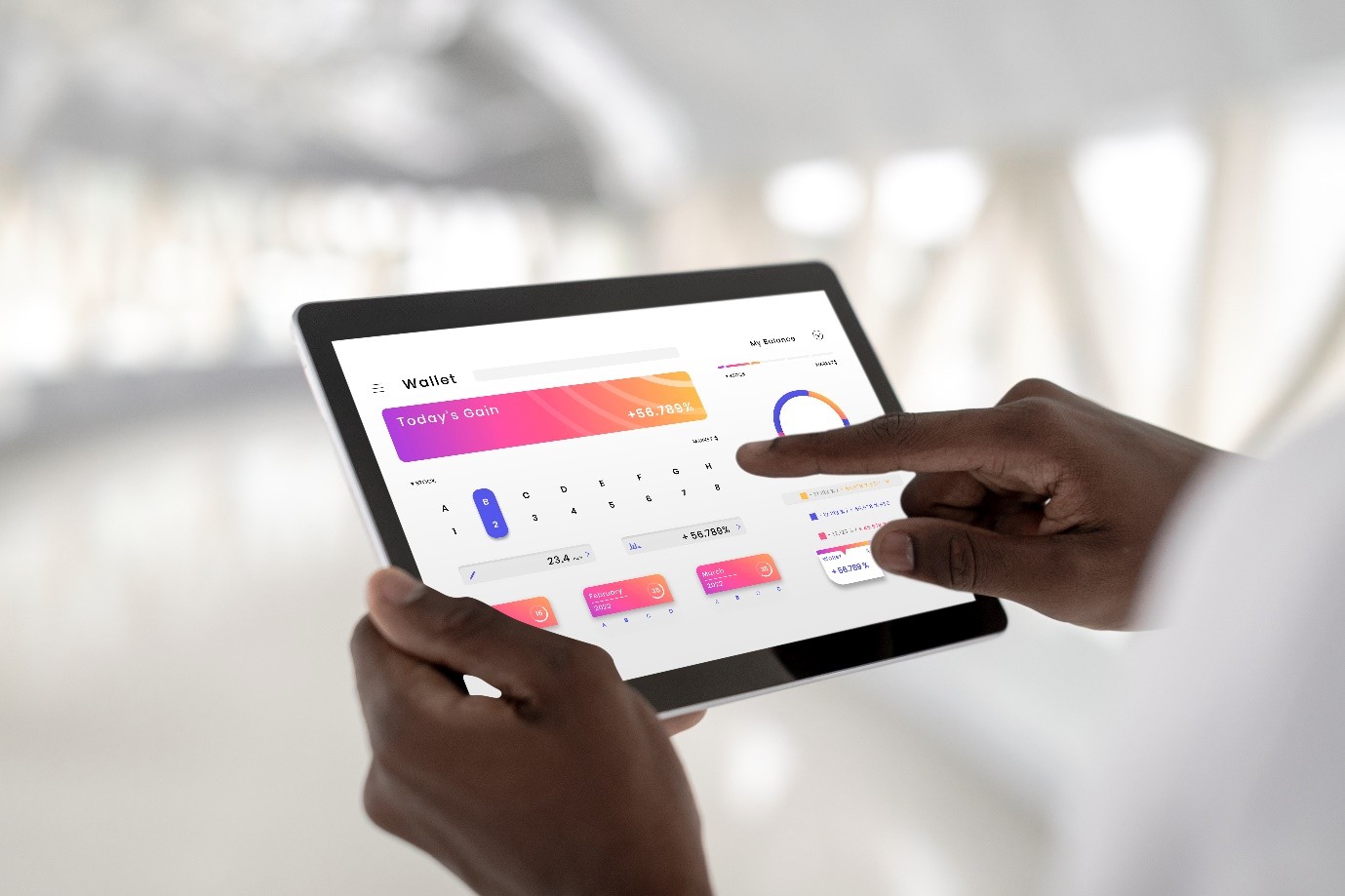
By the time manual Q1 reports are ready, the data is often already outdated. Automated reporting gives you access to real-time or near real-time dashboards. Instead of waiting for end-of-quarter reports, you can track performance continuously and respond to issues immediately.
- You Improve Decision-Making
As a sales manager or team lead, you rely on reports to guide strategy. But delayed or inconsistent reports lead to delayed decisions.
When you automate your Q1 reports, you gain timely insights that allow you to act quickly, whether it’s adjusting budgets, improving operations, or identifying new opportunities.
- You Scale Without Increasing Workload
As your organization grows, so does your data. More departments, more transactions, and more complexity. Automation allows you to handle increasing data volumes without adding extra workload or resources.
- You Standardize Reporting Across Teams
Different departments often use different formats, definitions, and metrics, leading to confusion and misalignment.
Automation helps you standardize reporting structures, KPIs, and formats across the organization. This ensures everyone is working from the same version of the truth.
- You Unlock the Full Value of Your Data
You may already be using Excel or BI tools, but without automation, you’re not maximizing their potential. Automating your Q1 reports transforms raw data into structured, actionable insights. It shifts your organization from reactive reporting to proactive decision-making.
Whether you are a data analyst, accountant, finance manager, or business leader, your ability to make informed decisions depends on the quality and speed of your reporting.
If your current process involves multiple spreadsheets, manual consolidation, and last-minute reporting, you’re likely missing opportunities to improve efficiency and performance.
Conclusion
At Sunesis Consulting, we work closely with you to design and implement report automation systems tailored to your financial, sales, HR, and operational data and needs.
We help you centralize data from multiple systems, automate report generation and distribution, build real-time dashboards, while improving reporting accuracy and consistency—ultimately reducing manual effort and reporting time.
Ready to improve your reporting accuracy and efficiency? Let’s talk