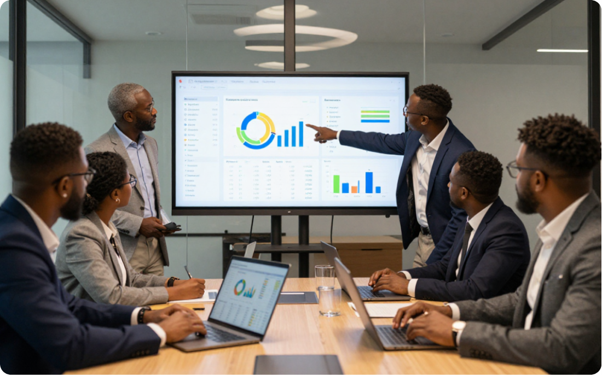
As your business grows, so does the volume and complexity of financial data you need to manage. Preparing reports manually using spreadsheets and disconnected systems often results in slow reporting cycles, inconsistent figures, and increased risk of errors.
Financial reporting automation transforms how finance teams work by integrating data from across your business into one trusted reporting environment. Instead of spending valuable time compiling numbers, your finance team can focus on analysing performance, supporting strategic decisions, and driving business growth.
What Is Financial Reporting Automation?
Financial reporting automation uses technology to collect, consolidate, and present financial data with minimal manual effort. Rather than extracting information from multiple systems yourself, report automation integrates data from your accounting software, ERP system, payroll platform, banking applications, and other business systems into a centralized reporting environment.
At Sunesis Consulting Kenya, financial reporting automation goes beyond simply generating reports. We design customized reporting solutions that align with your business structure, reporting requirements, and decision-making needs.
What Areas of Financial Reporting Can You Automate?
- Financial Statements
Automation generates balance sheets, income statements, cash flow statements, and other statutory reports by automatically pulling data from your connected financial systems. With customized reporting templates designed around your business requirements, you can produce accurate financial statements faster while maintaining consistency across every reporting period.
- Management and Executive Reports
Management reporting is most valuable when decision-makers have access to timely, reliable information. Financial reporting automation enables you to generate customized management reports, executive dashboards, board reports, departmental reports, expense reports, and shareholder reports using real-time financial data from integrated systems.
- Account Reconciliation
Reconciling transactions manually is often one of the most time-consuming accounting activities. Automation compares thousands of transactions across multiple financial systems, quickly identifies discrepancies, and simplifies reconciliation processes.
- Regulatory Compliance
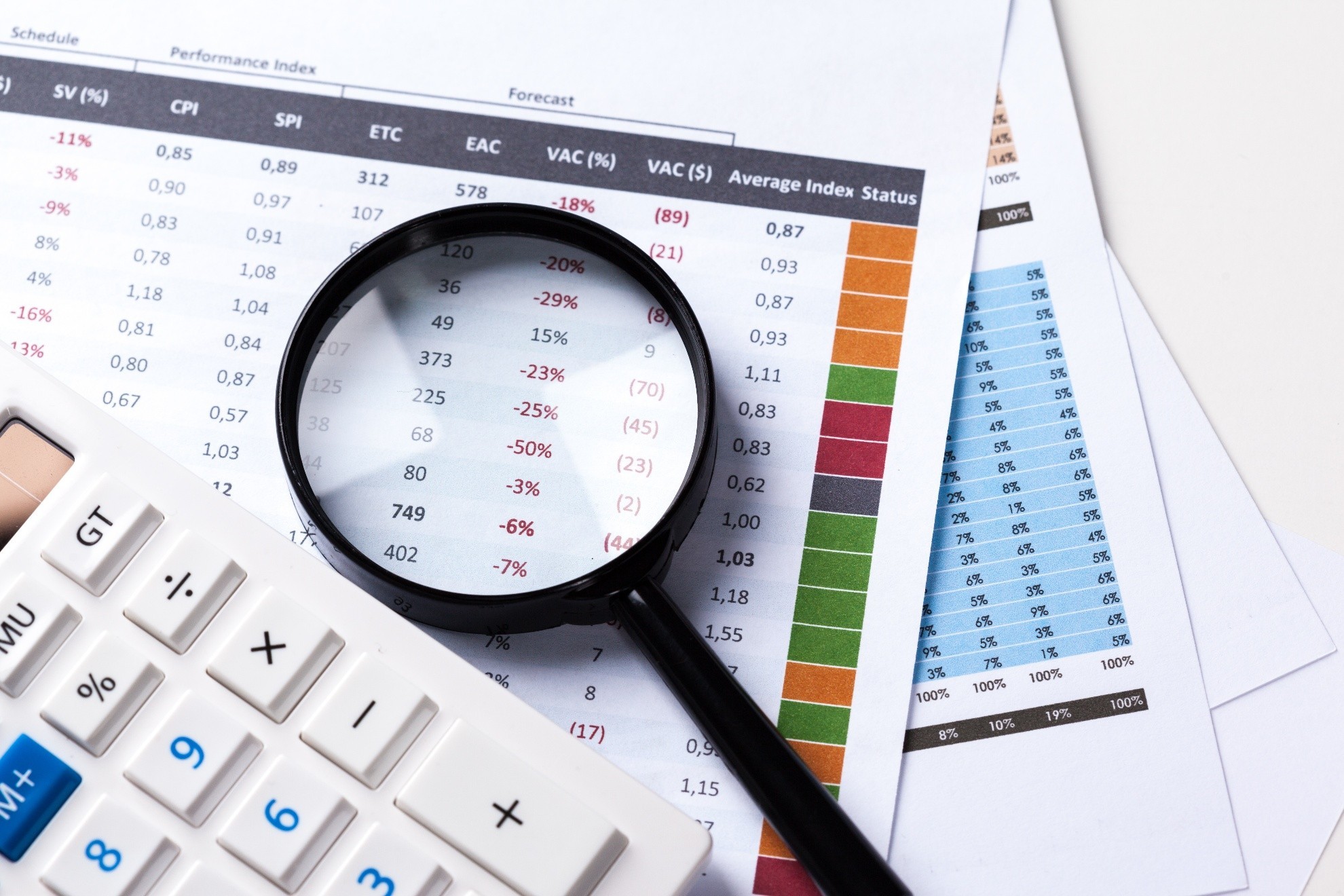
Meeting accounting standards and regulatory requirements becomes significantly easier when financial information is centralized and standardized.
Report Automation helps you maintain accurate records, apply consistent accounting rules, generate compliance reports, and create comprehensive audit trails that simplify both internal and external audits.
Read Also:The 6 Hidden Costs of Manual Financial Reporting
How Financial Reporting Automation Benefits Your Business
- Faster Reporting Cycles
By automating data consolidation across financial systems, reports that once took days can be generated in hours—or even minutes—reducing report preparation time by over 60%. Faster reporting empowers finance leaders to respond quickly to changing business conditions and deliver timely, actionable insights to management.
- Better Decision-Making with a Single Source of Truth
Financial reporting automation integrates data from multiple systems into one centralized reporting environment, ensuring everyone works from the same accurate and consistent financial information.
- Reduced Errors and Greater Confidence in Reporting
Automation reduces human intervention throughout the reporting process by applying standardized calculations, business rules, and validation checks. This improves reporting accuracy while giving finance teams, executives, auditors, and stakeholders greater confidence in the integrity of every report

- Stronger Governance and Secure Access
Automated reporting platforms provide role-based access controls, audit logs, and standardized reporting processes that strengthen governance, improve accountability, and protect sensitive financial information across your organization
Read Also: 5 Benefits of Automating Financial Reporting Every CFO Should Know
Conclusion
As your business grows, managing financial data manually becomes increasingly challenging. Financial reporting automation provides a practical way to improve reporting accuracy, streamline workflows, strengthen compliance, and give you faster access to the financial information you need.
At Sunesis Consulting Kenya, we work closely with organizations to understand their reporting challenges, integrate their financial systems, and develop customized reporting solutions that align with their operational and strategic goals.
Our approach focuses on:
- Integrating multiple business systems into one reporting environment.
- Creating customized reports and executive dashboards tailored to your decision-making needs.
- Establishing a single source of truth for accurate, consistent financial reporting.
- Automating repetitive reporting processes to reduce manual effort and improve efficiency.
- Delivering reliable financial insights that support confident, data-driven decision-making.
Whether you’re looking to automate financial statements, management reports, account reconciliations, or compliance reporting, at Sunesis Consulting Kenya, we work closely with you to design and automate financial reports tailored to your business. Ready to improve your financial reporting? Contact us today at sales@sunesiskenya.com to get started.